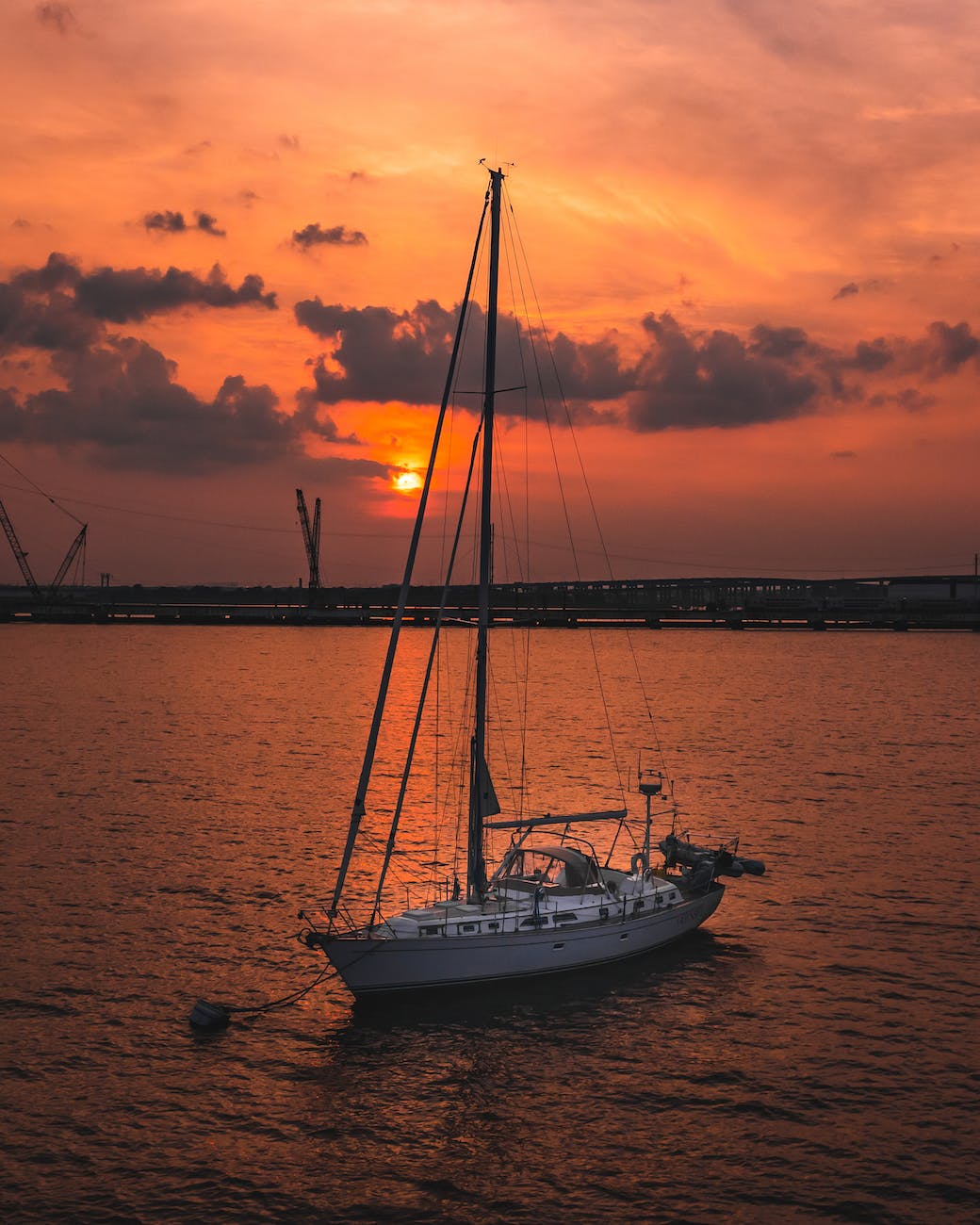
During my very first sailboat cruises I preferred to stay at a dock. It felt safer to me, and the conveniences of on-shore plumbing, coffee stands, and strolling the docks contributed to my desire to stay in a marina. As I gained confidence and familiarity with anchoring, I grew to prefer “anchoring out” to staying at a dock. It feels closer to nature and more private. Now we seek out places where we don’t have “neighbors” and where we can enjoy a quiet morning coffee or evening glass of beer on deck.
When choosing an anchor for your sailboat, it’s important to consider factors such as the size and weight of your boat, the type of seabed you’ll encounter, and the prevailing weather conditions in your boating area. First consult with local experts or experienced sailors for advice on the most appropriate anchor type for your specific needs. It’s essential to ensure proper anchoring techniques and to regularly inspect and maintain your anchor to ensure its effectiveness and reliability.
There are many fine youtube videos out there which demonstrate how to set an anchor, so we won’t be discussing that here. We cruise with two anchors: a plow or CQR/Delta, and a Claw or Bruce. Most boats come with an anchor, but it may not be the one you need for all types of sea bottom, weather conditions, and depths. Also important to note is the length of the anchor chain and rope together should exceed 5 times the maximum depth you will encounter.
After reviewing several youtube videos about anchors and anchoring, I recommend Sailing Fair Isle:
He explains the benefits and detriments of the main modern anchors, and he also recommends the SV Panope videos about anchors. (Too many to list and with varying specificities.) I subscribe to both since the two make quite a comprehensive knowledge base about anchoring and other sailing tips. Here are the anchors discussed in the above Sailing Fair Isle video. I’ve filled in details about the most commonly used types.
Bruce (Claw): Claw anchors, also known as Bruce anchors, have a claw-shaped design that provides reliable holding power in various bottom types. They perform well in sand, mud, and gravel. Claw anchors are sturdy and suitable for both sailboats and powerboats.
CQR or Plow or Delta: Plow anchors have a traditional design with a curved shape resembling a plow. They offer excellent holding power in various seabed conditions, including mud, sand, and grass. Plow anchors are sturdy and reliable, making them suitable for larger sailboats and boats in areas with changing weather conditions. They come in either fixed or hinged styles.
Danforth or Fluke/Fortress: Fluke anchors are lightweight and popular for smaller recreational boats. They have two flat, triangular-shaped flukes that dig into the seabed when pressure is applied. They work well in sandy or muddy bottoms and are relatively easy to handle and store.
Folding Anchor: Folding anchors are lightweight and foldable for easy storage. They are popular for small boats or as a secondary anchor. Folding anchors are suitable for shallow waters or temporary anchoring needs.
Grapnel Anchor: consists of multiple hooks, or flukes, attached to a central shank. They are commonly used in smaller recreational boats or dinghies due to their compact size and ease of use. Grapnel anchors: are effective in rocky or weedy bottoms but may have limited holding power in softer bottoms.
Mushroom Anchor: have a unique shape resembling a mushroom cap. They are typically used in calm conditions or as a secondary or temporary anchor. Mushroom anchors are effective in muddy or silty bottoms and provide good holding power in situations where the primary anchor may need additional support.
Rocna: more expensive than many others, the fixed-shank scoop shape of this anchor makes it work in various types of sea bottom. It is self-righting and resets using a unique and patented roll bar. Its hot-dipped galvanized high-strength alloy steel makes it one of the toughest anchors out there.
 Salish Sailors